VELES & CO
EN

01 / WILD HARVEST

NORTHERN NATURE.THE ROOTS OF FLAVOUR.

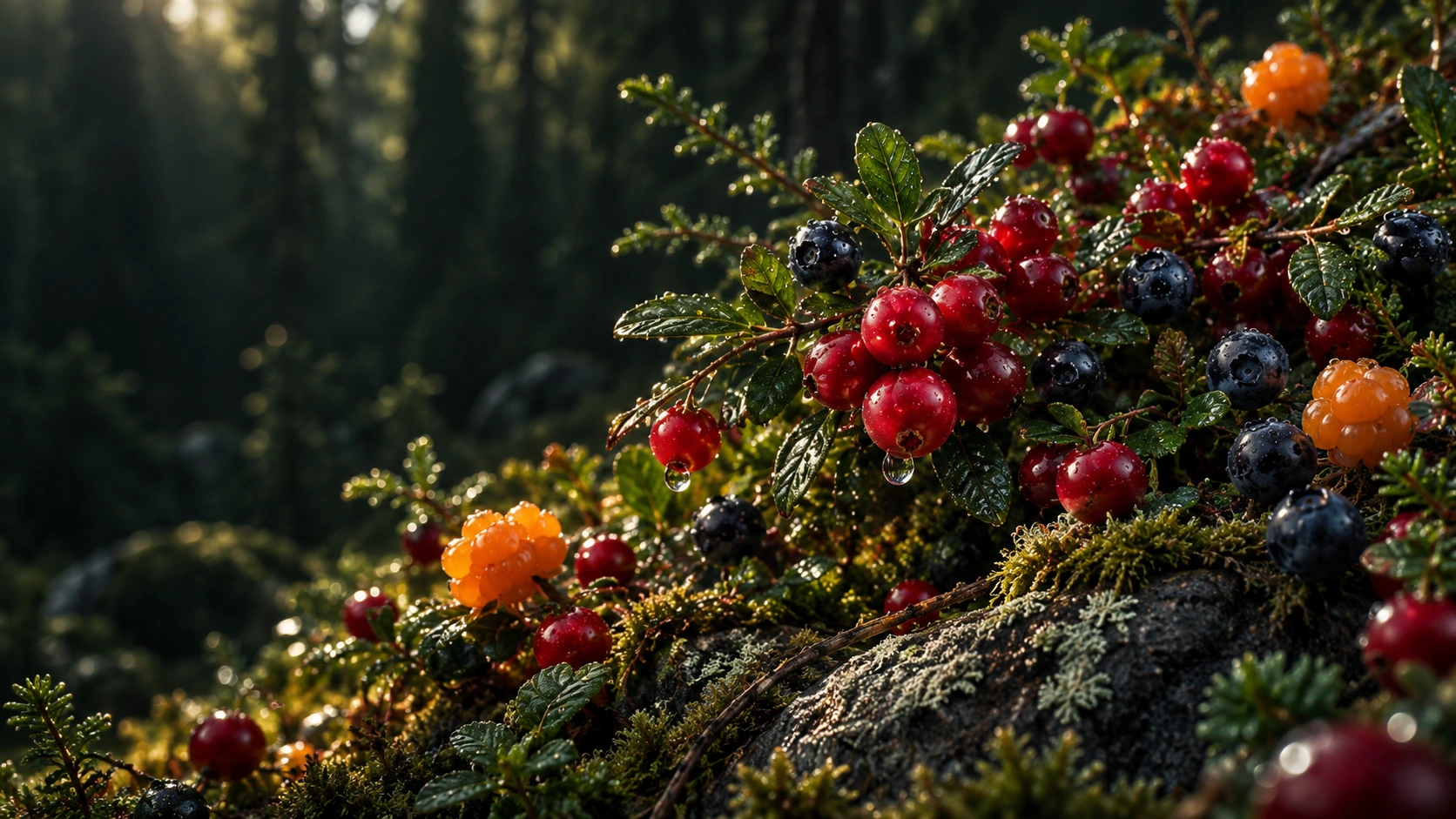
Vör Ozyr is a project for gathering and primary processing of berries, mushrooms and herbs from the Komi Republic.

Bottling

Northern berries and herbs connect wild harvesting with finished products, including PARMA lemonades from the Veles beverage plant.

PARMA — glass, liquid, label, closure

02 / PARMA BEVERAGES

NORTHERN FLAVOURS.PARMA CHARACTER.

Northern berries and herbs inspire three PARMA lemonade flavors. The bottle visuals preserve the earlier packaging concept.

  1. 01Pera · lingonberry and cranberry
  2. 02Voipel · bilberry, blackberry and wild raspberry
  3. 03Zarni An · mint, cloudberry and lingonberry

Earlier packaging artwork · current range: soft drinks

Discover the project

Our approach

Vör Ozyr

Pilot planned for 2027

Vör Ozyr is a project for the gathering and processing of wild natural ingredients in the Komi Republic. It starts with the character of local raw materials and their potential in finished products.

The pilot is planned for the 2027 harvesting season. The proposed network uses rural shops and cooperatives for collection, with freezing and drying near Yaksha and deeper processing in Troitsko-Pechorsk.

Focus areas

  • Berries, mushrooms and northern herbs
  • Procurement and primary processing
  • Ingredients and finished products

The collection network and processing facilities are planned. The animation illustrates the intended process, not an operating production line.

Discuss a project

VÖR OZYR · FROM FOREST TO PRODUCT

Northern ingredients. A clear supply chain.

Vör Ozyr is a wild-harvesting and processing project in the Komi Republic. Its model connects harvesters, village collection points, primary processing and product brands. The pilot is planned for the 2027 season.

As of 4 October 2026

01Key facts

Pilot harvesting season
2027The first harvesting season is planned for 2027. Its results will determine subsequent development.
Site decision milestone
February 2027The current plan calls for a site decision by February, before the harvesting season begins.
Harvesters in the target network
800–1,200A seasonal network planning figure from the 4 October 2026 summary, not the current number of participants.
Primary processing
YakshaA freezing and drying hub is planned here, close to the harvesting area.
Further processing
Troitsko-PechorskThe proposed location for a concentrate and ingredients plant. The facility remains a project.
Collection closer to harvesters
Village networkThe model uses existing shops and consumer cooperatives; participation by individual locations requires separate agreement.

02What we develop

01

Berries, mushrooms and herbs

The project’s raw-material base includes cranberries, lingonberries, bilberries and cloudberries, edible mushrooms, fireweed and other plants. Seasonal purchasing should reflect the harvest, quality and available processing capacity.

02

Tus · berries in a jar

A concept range of jams, preserves, berries in syrup and crushed berries. The working model includes berry products for retail, gifts and tourism; a finished commercial range has not been announced.

03

Tshak · mushroom products

A planned range of salted, pickled and dried mushrooms, together with mushroom powder. It is intended for retail products and restaurant ingredients.

04

Vörsa Chai · herbal blends

A concept covering fermented fireweed tea, chaga and northern herbal blends. The model includes packaged teas and raw-material formats; the final range and requirements for each item are defined during product preparation.

05

Tus Fresh · frozen berries

A project for individually quick-frozen berries, berry mixes and smoothie packs. IQF keeps berries as separate pieces; the project’s own processing line remains planned.

06

PARMA Ingredients · for food producers

A planned range of berry concentrates, not-from-concentrate juices, purées and frozen raw materials for food manufacturers. Intended customers include the Veles beverage plant and its PARMA lemonades.

03How it works

  1. 1. Prepare the season

    Identify available ingredients, collection points and transport routes. Start the pilot with a manageable network and agreed quality requirements.

  2. 2. Receive and sort

    Collection is planned through village shops and cooperative locations. Ingredients are assessed by type, condition and grade, with each batch’s quantity recorded before it moves onward.

  3. 3. Keep the batch history

    The working model tracks movement from collection point through transport and storage to a production batch. Digital traceability is a planned function, not an existing system.

  4. 4. Freeze or dry

    Initial preservation is intended to take place close to the harvesting area. The model provides for berry freezing and drying of suitable mushrooms and herbs; the Yaksha hub remains planned.

  5. 5. Make a product or ingredient

    The next stages include pressing, concentration and the preparation of purées, jams or mushroom products. Further processing in Troitsko-Pechorsk is intended to develop in phases after the pilot.

  6. 6. Test demand

    Proposed channels include food and beverage manufacturers, retail, restaurants and tourism projects. The pilot should establish actual processing yield, grades and buyer response before expansion.

04Development stages

  1. By February 2027

    Site and network preparation

    The milestone is a site decision and collection preparations in time for the season. This is a target date, not a completed stage.

  2. 2027 season

    Pilot harvesting

    Test harvester participation, collection operations, preservation and initial sales channels on a limited scale.

  3. After pilot evaluation

    Phased processing development

    Use the season’s results to refine the Yaksha hub, network expansion and the sequence of further processing in Troitsko-Pechorsk. Opening dates for these facilities are not yet confirmed.

05Partnerships

Harvesters, village shops and cooperatives

Discuss participation in seasonal harvesting or hosting a collection point. A useful first enquiry identifies the location, ingredients, seasonality, storage and transport possibilities.

Processors and cold-chain providers

Potential cooperation covers primary processing, freezing, drying and transport. Discussions start with available operations, location, seasonal capacity and quality requirements.

Manufacturers, retailers and restaurants

Discuss requirements for berry raw materials, ingredients and future own-brand products. Format, specification, volume and timing are agreed for each enquiry; the portfolio is not a stock-availability list.

Discuss a partnership ↗

06Questions and answers

Is the project already purchasing wild ingredients?

The 4 October 2026 summary sets the pilot for the 2027 season. It does not confirm open collection points or current purchasing. Readiness and seasonal terms for a specific location should be checked with the team.

How does the hub differ from the processing plant?

The Yaksha hub is intended for primary processing, freezing and drying close to harvesting. The Troitsko-Pechorsk plant is the next stage, making concentrates and other ingredients. Both are presented as planned facilities.

How is quality control intended to work?

The working model includes sorting on receipt, batch records, storage-condition checks and laboratory testing. These are requirements for the future process. The website does not claim organic or other certification already obtained.

Can I order Tus, Tshak or PARMA Ingredients?

These are product directions in the project model, not confirmed stock. You can discuss a future supply format; samples, specifications and delivery dates require separate confirmation from the team.

Back to section start ↑