VakulPersonal watercraftWater
Concept

04 / YÖRAN ENGINEERING
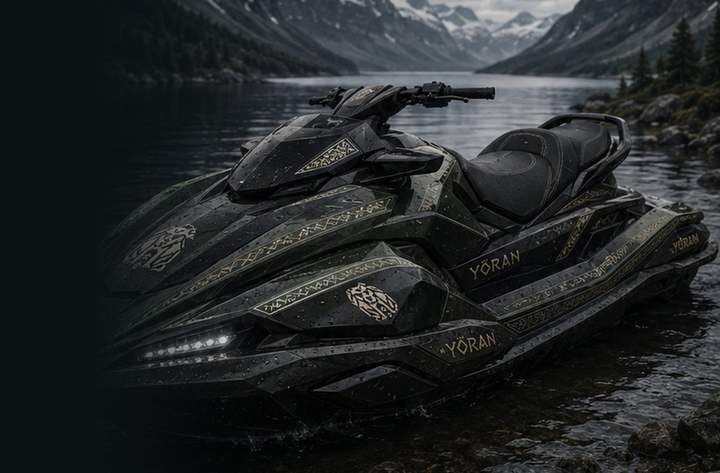
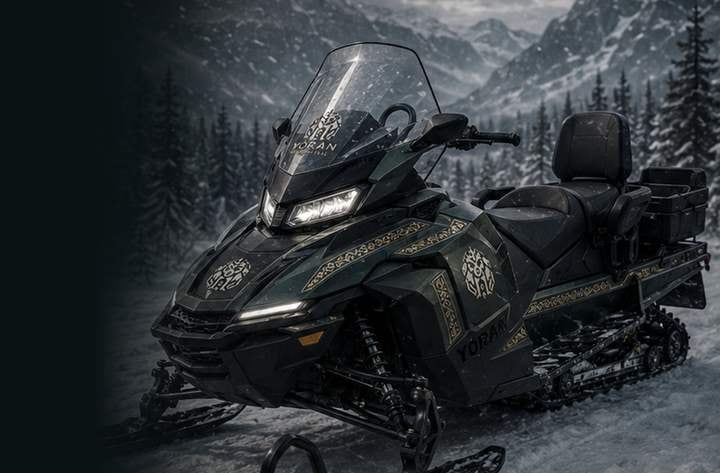
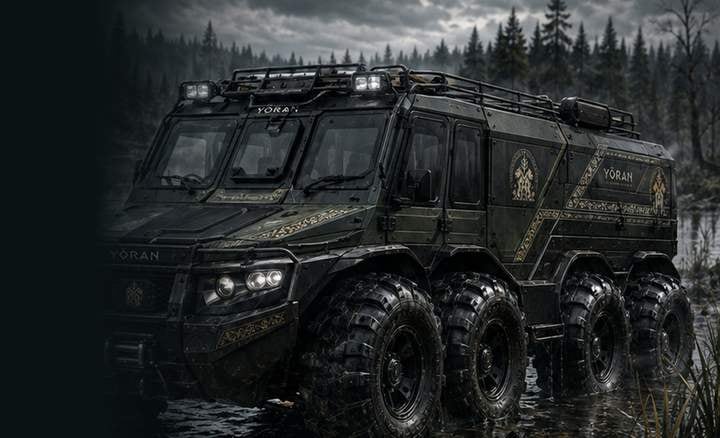
Six vehicle concepts for water, land, snow and the forest. Explore the design studies; the current production program is being developed in stages.
Project factsYÖRAN website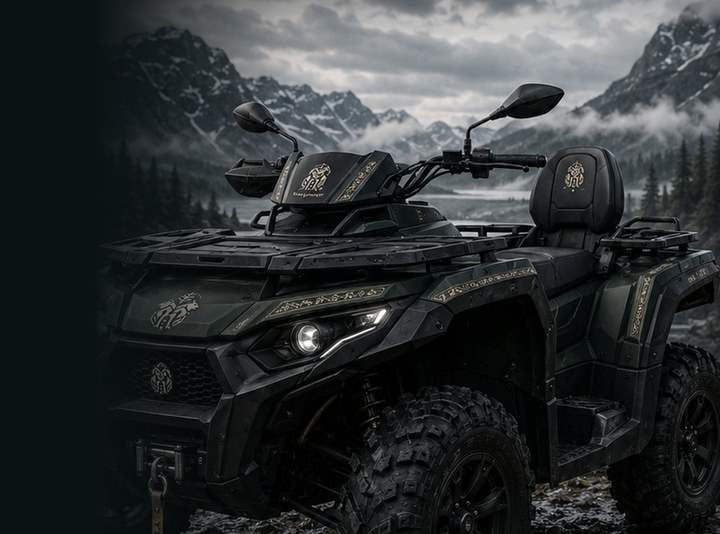
Our approach
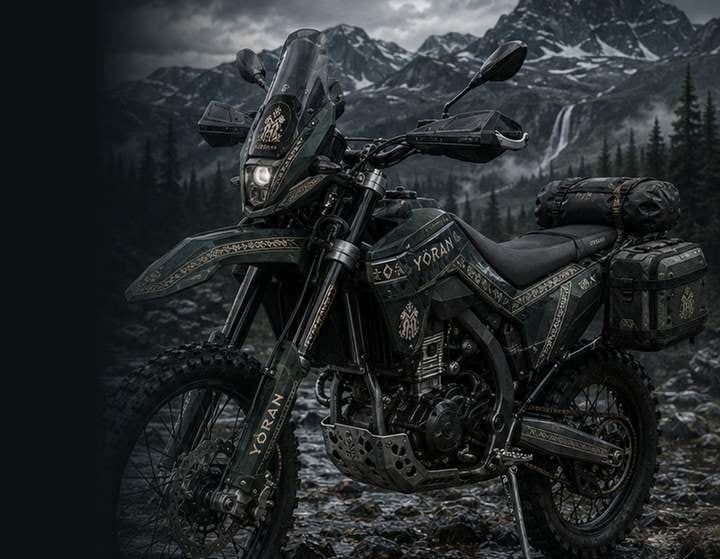
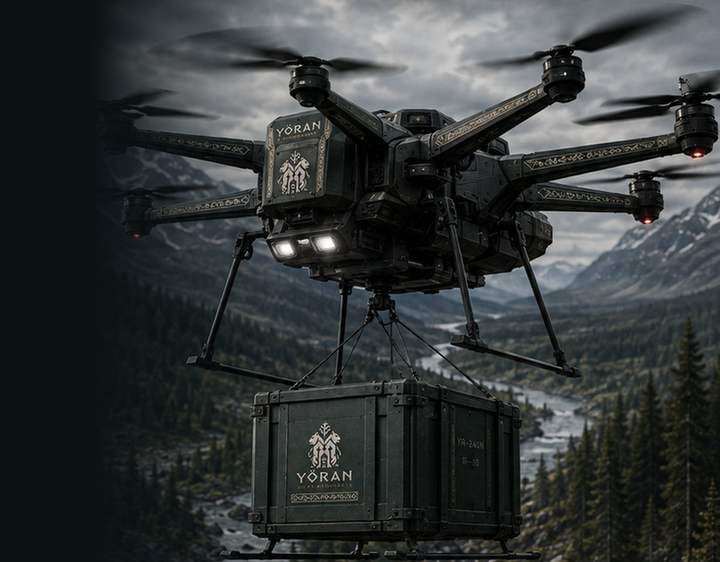
YÖRAN develops northern vehicle and equipment concepts: ATVs, motorcycles, snow and swamp vehicles, utility machines and unmanned systems.
The proposed Ukhta production site at 8 Stantsionnaya Street includes approximately 9,900 m² of buildings on 6.6 hectares. Rights to the site are still being arranged. The current localization plan targets SKD assembly in 2029, CKD in 2031 and a full cycle in 2034.
These are development concepts. Individual model launch dates are not confirmed by the current corporate summary. Localization milestones remain plans.
Discuss a projectYÖRAN · vehicles and manufacturing
YÖRAN is a proposed industrial cluster in Ukhta, progressing from platform selection and prototype preparation to local assembly, an in-house engineering bureau and a test centre. Its vehicles are intended for northern routes, wild harvesting, expeditions and municipal services. Production preparation and partnerships come first, with development proceeding in stages.
As of 4 October 2026
Ground vehicles for northern routes. Initial work centres on selecting platforms, building prototypes and preparing for assembly and adaptation.
Vehicle concepts for snow, wetlands and remote terrain, linked to wild harvesting, expeditions and tourism routes.
A dedicated part of the programme addresses practical tasks in northern districts. Configurations are developed around future customers’ conditions and use cases.
The innovation programme brings together unmanned systems, battery solutions for low temperatures and digital vehicle control.
The plan includes an in-house engineering bureau, industrial design, northern adaptation and Russian-made components: frames, plastics, wiring, suspension and body parts.
The cluster is planned to include a test centre, test tracks, an off-road driving school and a vehicle museum. Northern routes provide the proposed setting for evaluation and product demonstrations.
Agree the concept, site rights and manufacturing partnerships. These decisions define the future complex.
Plan the buildings, utilities, internal logistics and testing infrastructure needed for manufacturing.
Start with established platforms and major assemblies, developing assembly operations, quality control and staff training.
Gradually bring component manufacturing to the region and develop a network of Russian suppliers.
Combine industrial design, engineering documentation, cold-weather adaptation, new materials and test methods.
Develop manufacturing under a unified Russian brand, export configurations and licensing as products and capacity become ready.
Work with vehicle and component suppliers, prototypes, the site and manufacturing agreements. Progress to the next phase depends on verified results.
Begin local assembly from major finished units, establishing production operations and the team.
Introduce deeper assembly operations and expand local component manufacturing.
The target stage for an integrated manufacturing and engineering base. Individual model schedules are developed separately from the overall localization programme.
An in-house engineering bureau, testing services for other manufacturers, a supplier network, workforce training and access to cold-climate markets.
Potential areas for manufacturer collaboration include motorcycles and ATVs, all-terrain and special-purpose vehicles, batteries and unmanned systems. The approach is staged adaptation and localization.
Localization opportunities include frames and structural parts, plastics, wiring harnesses, suspension and body components. Discussions focus on quality, repeatability and readiness for series production.
Opportunities for engineering and testing teams, and for organizations needing vehicles for northern routes, municipal work and harvesting.
The long-term programme envisages training engineering and manufacturing specialists with regional universities, including Ukhta State Technical University and Syktyvkar State University.
The project is considering the property complex at 8 Stantsionnaya Street in Ukhta. Rights have not yet been secured for the project: it is a proposed production site, not a confirmed operating YÖRAN factory. The Veles I K LLC corporate centre has a separate address in Ukhta.
SKD is assembly from major finished units. CKD involves deeper assembly from parts and components. A full production cycle develops the manufacturing and engineering base further. The current plan assigns these stages to 2029, 2031 and 2034 respectively.
The website presents design concepts. Each model’s launch depends on platform selection, prototype construction and evaluation, and production readiness. The overall localization roadmap is not a sales calendar for every model.
These are the conditions the proposed test facility is designed around: cold, snow, wetlands and taiga. Each vehicle’s performance must be established by tests of its specific configuration. Describing the test environment does not itself confirm product performance.